


High Roller Casino Strategies: How to Play, Win, and Maximize VIP Perks Today
High roller casinos are exclusive gaming venues designed for players who wager substantial sums, often in the tens of thousands per hand or spin. Instead of a crowded floor, you get a private salon, a dedicated host, and a personalized betting limit that matches your comfort zone. The real value here is the red-carpet treatment—from complimentary luxury suites and private jets to cashback on losses and instant withdrawal priority, all earned simply by playing at your usual level. To use them, you just request a host, set your bankroll, and let them tailor every detail of your visit around your playstyle.
What Actually Defines a Premium Gaming Experience?
A premium gaming experience for high rollers isn’t about flashy lobbies; it’s about seamless velocity and exclusive table access. What actually defines it is the absence of friction—skip the queue, get your own pit, and have a dedicated host who knows your name, not your card number. The real marker is bespoke betting limits that flex with your session, not against it. You feel it when the casino adjusts the game’s pace, shuffles on your signal, and halts the clock entirely while you decide—that’s control. Also, instant, untracked withdrawals to any method you choose, plus comps that aren’t vouchers but genuine experiences—a private jet, a chef’s table. If you still wait for a drink or a chip refill, it’s not premium. It’s just a bigger table.
How Betting Limits Separate Casual Play from Serious Action
Betting limits are the invisible rope that ties casual fun to serious action at premium venues. At high roller casinos, table minimums often start where standard rooms peak, so a $500 hand instantly filters out tourists while welcoming players who compute variance in their sleep. High roller betting thresholds change the psychology too—a casual player sees a spin as entertainment, but a serious player treats a $10,000 wager as a decision with real weight. The limit also dictates table atmosphere: private salons with six-figure caps foster focus and silence, not cheers and selfies. Action speed slows because each bet matters more, separating those who dabble from those who commit capital and concentration alike.
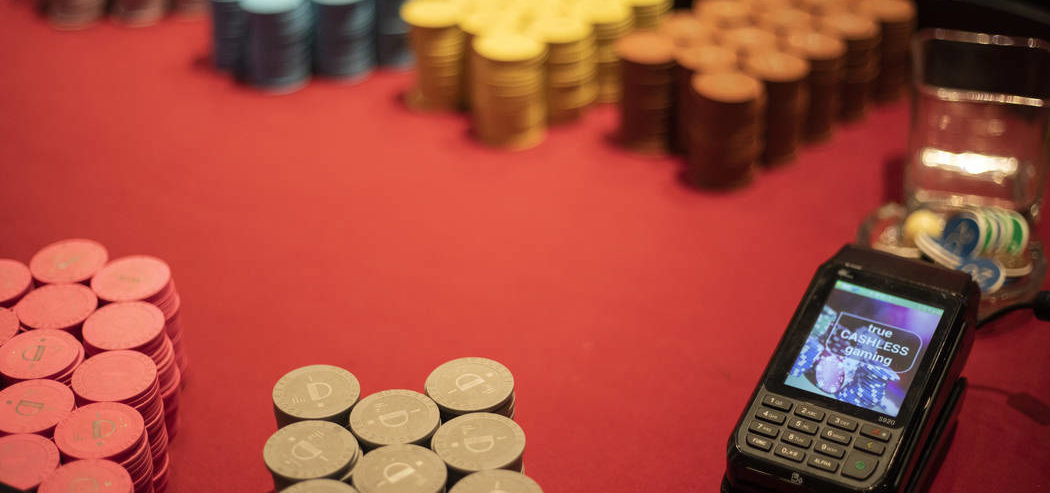
Why do betting limits matter more than game variety for serious players? Because a high limit signals trust in your bankroll and comps that actually reflect risk—if you cannot push a bet to its ceiling, you are still playing at the casual tier, regardless of VIP lounge access.
Understanding Comp Points, Cashback, and VIP Rebate Structures
For high rollers, VIP rebate structures often outweigh comp points in raw value. Comp points typically accrue at 0.1%–0.3% of wagered amounts, but premium tiers multiply this rate or convert points at favorable ratios toward cash or exclusive experiences. Cashback, by contrast, returns a fixed percentage—commonly 10%–25%—of net losses, calculated weekly or monthly, with no wagering requirements attached. Rebate structures operate inversely: they pay a flat rate (e.g., 0.5%–1.5%) on every bet, win or lose, capped at a monthly threshold. Understanding their interaction requires sequencing:
- Check if comps and cashback stack or offset each other.
- Confirm whether rebates count toward VIP tier progression.
- Determine if cashback is credited as cash or bonus funds with playthrough.
- Review loss-based caps that limit weekly or monthly payouts.
Prioritize the structure that matches your play style—high-volume grinders favor rebates, while volatile session players benefit from loss-based cashback.
How to Qualify for Private Tables and Exclusive Game Rooms
To qualify for private tables and exclusive game rooms at high roller casinos, your primary currency is verified playable bankroll, not just net worth. Casinos assess your betting history, average wager size, and total session turnover over a rolling period; consistent six-figure swings at baccarat or blackjack will trigger host invitations. You must establish direct contact with a casino host, who can review No-verification online casinos your theoretical loss and set your betting limits. Requesting a private table requires committing to a minimum stake per hand, often $5,000 or more, and agreeing to a fixed playtime. For the most exclusive salons, you’ll need a prior relationship, a credit line approved through the casino’s cage, and a demonstrated willingness to play multiple hours daily. Never ask upfront—let your action and pit boss observations earn the qualification for exclusive high roller game rooms.
Typical Deposit Thresholds You Need to Meet
To secure a private table or exclusive game room, you must first meet the casino’s **typical deposit thresholds for high roller access**. Most venues require an initial bankroll deposit between $10,000 and $50,000, though flagship properties in Macau or Las Vegas may demand $100,000 or more. These thresholds are often evaluated per session, not cumulatively, meaning you must front the full amount before play begins. Some casinos offer tiered entry—$25,000 grants semi-private seating, while $75,000 unlocks a dedicated salon with a personal croupier. Your deposit is usually held as a playing credit, not a fee, but it must remain active for the entire reservation. Rebate programs may count only the “drop” (chips purchased), not your total cash on hand.
Q: Can I combine deposits from multiple visits to meet the threshold?
A: No—most high roller floors calculate your eligibility per single deposit or a 24-hour rolling window, so stacking previous balances rarely counts.

Invitation-Only Access vs. Open Application Process
When chasing that VIP action, you’ll hit two doors: the invite-only route (secretive, host-driven, and usually reserved for players who’ve already proven six-figure betting patterns) versus the open application path. For the latter, you can simply email or call the casino’s VIP desk, request a spot, and show recent play history or a bankroll proof. Invites feel exclusive, but they demand consistent prior losses or deposits; applications are more transparent and let you negotiate perks upfront. Open Application Process is your best bet if you’re new but loaded—just ask for a trial comp match. Don’t wait for a nod; push for a review after two solid visits.
Invite-only saves face but costs patience; open application gets you in the room faster with proof—choose based on your gambling resume.
Key Features That Make a High-Stakes Platform Worth Your Bankroll
A high-stakes platform earns your bankroll not through flashy bonuses, but through structural respect for your bet size. The table limits must flex upward without you asking—€50,000 on blackjack, no pit boss nod required. Withdrawal speed is the true test: if your six-figure win clears in under four hours via crypto, you’ve found the keeper. Game fairness at this tier means provably audited RNGs, not vague “certifications.” The private host should know your preferred dealer, game variant, and even your coffee order—that’s not luxury, it’s efficiency. When a losing streak hits, a real high-roller pit stops the session with a cash rebate before you tilt.
Your bankroll isn’t a wager; it’s a leverage tool—and the platform’s job is to make each pull of that lever feel inevitable, not risky.
Finally, the cashier must never glitch mid-bet; lag at €10,000 a spin is a fatal flaw, not a technicality.
Live Dealers, Faster Payouts, and Dedicated Account Managers
For high rollers, live dealer tables, faster payouts, and dedicated account managers form the operational backbone of a premium experience. Live dealer sessions offer private tables with higher betting limits, where real-time interaction with croupiers ensures no software RNG can be questioned. Payout speed matters most at this stake level—you need withdrawals processed within hours, not days, to reinvest capital or secure winnings before market shifts. A dedicated account manager handles this directly, pre-approving withdrawal requests, arranging bank transfers, and bypassing standard customer support queues. That manager also negotiates table limits, suggests exclusive live dealer games, and escalates any technical lag during a high-stakes hand. Together, these three features eliminate friction, letting you maximize betting momentum without administrative delays.

Custom Limits and Personalized Betting Options
For high rollers, a static betting interface is a dealbreaker. True value emerges from customizable wagering parameters that adapt to your bankroll’s rhythm. You should be able to set per-spin caps, session loss thresholds, and table limits that match your aggression level, not the house default. Personalized betting options extend to granular controls—adjusting coin denominations, auto-play pause points, or even tailoring speed and volatility profiles for specific games. This flexibility ensures you never overshoot a predetermined stop-loss or feel boxed into a rigid stake structure. When a platform lets you fine-tune every wager edge, your capital works harder, and the experience feels built for your style, not a casual crowd.
Choosing the Right Venue for Serious Wagers
Choosing the right venue for serious wagers begins with scrutinizing the casino’s table limits and private salon access, because a true high roller needs headroom that public floors rarely offer. You must verify the pit boss’s authority to negotiate comps on the spot—like suite upgrades or loss rebates—before you ever sit down, since a venue that stalls on amenities will frustrate your entire session. The caliber of your opponents matters just as much as the carpet, so scout rooms where the action is sharp yet respectful; a soft game wastes your edge, but a hostile one drains your focus. Always test the cashier’s speed and discretion with a modest marker before committing real stakes, as slow payouts can ruin a winning rhythm. Even the most lavish penthouse feels hollow if the dealer’s shuffle is slower than your patience. Ultimately, the right venue is one where your bankroll dictates the rules, not the other way around.
Checking Withdrawal Speed, Payment Methods, and Currency Flexibility
For serious wagers, high roller withdrawal speed is non-negotiable; verify maximum monthly cashout caps and processing times before depositing, as some venues stall seven-figure payouts for weeks. Scrutinize payment methods—bank wires and crypto offer the fastest settlements, while card withdrawals often carry fees and daily limits that clash with your stakes. Currency flexibility matters: confirm whether the casino supports your native currency or forces conversion through unfavorable rates, and check if you can hold balance in multiple denominations simultaneously. A table clarifies the trade-offs:
| Aspect | Preferred | Risky |
|---|---|---|
| Withdrawal speed | Under 24 hours for crypto | 3–7 business days for e-wallets |
| Payment methods | Bitcoin, wire transfer | Credit cards with low cashout limits |
| Currency options | USD, EUR, USDT | Single currency with 4% conversion spread |
Evaluating Game Variety: Baccarat, Blackjack, Roulette, and Slot Ceilings
When picking a high roller casino, game variety isn’t just about flash—it’s about where your money works hardest. High roller table limits matter most: check baccarat’s squeeze tables for six-figure minimums, and blackjack’s pitch games for规则的 flexibility and nine-to-one payouts. Roulette should offer European wheels with a single zero and capped maximums above $50k per spin. For slots, ask about progressive jackpot ceilings—often capped at 1.2 million per spin—and whether your play unlocks higher max bets. Betting ceilings dictate your session strategy, so verify each game’s top wager before committing. A venue that balances all four gives you room to pivot without lowering your stakes.
Strategies to Maximize Value From Your Playing Budget
To maximize value from your playing budget at high roller casinos, negotiate comps *before* you commit funds—ask for a percentage of your theoretical loss returned as rebates, not just free rooms or meals. Split your bankroll into session caps, and always play games with a low house edge, like baccarat or single-zero roulette, where your action stretches further. Time your play during off-peak hours to command more attention from hosts, and use tier-match programs to extend elite status benefits across properties. **Never chase losses with a raised bet limit; instead, lock in a loss threshold and walk away.** Q: What is the single best budget move for a high roller? A: Negotiating a 10–20% loss rebate upfront, which effectively lowers your risk before you even place a first wager.
Negotiating Better Terms Before You Place a Single Bet
Before your first spin, your bankroll is your loudest voice. Walk in with a clear number and ask for a **negotiated player package** tied directly to your deposit, not future play. Inquire about loss rebates, cashback percentages, and a dedicated host who can adjust limits on the spot. Never accept the first offer—hosts expect pushback, and a simple “can you improve the match or add free play?” often unlocks perks for the session ahead. Pre-bet negotiation secures your floor, so you’re never chasing value after the fact.
Q: When should I bring up better terms?
A: Before you commit to any deposit—once you’re mid-session, your leverage drops, so negotiate your rake-back and comps while your budget is still on the table.
Using Loss Rebates and High-Limit Bonuses Without Overextending
Loss rebates and high-limit bonuses are powerful tools, but only if you treat them as part of a pre-set budget, not as extra money to chase. Before you play, calculate your maximum acceptable loss for the session, then only accept a rebate offer that covers a fixed percentage of that number—say 10%—so you never bet more just to unlock it. High-limit bonuses often come with steep wagering requirements, so read those terms twice before depositing, because a 30x playthrough on a $5,000 bonus can quietly double your intended stakes. Similarly, use loss rebates to soften a bad streak by pausing after you hit the rebate threshold, rather than immediately re-betting the returned funds. This way, you stretch your bankroll, keep your gambling budget discipline intact, and walk away with value—not regret—when the session ends.
Common Pitfalls to Avoid When Playing at the Top Tier
The most costly pitfall at the top tier is chasing lost stakes with hastily raised limits, breaking your pre-agreed bankroll discipline. High rollers often neglect to verify the table maximums and win caps before play, only to discover a “soft” ceiling that nullifies a winning streak. Another trap is accepting a host’s upgrade to a faster-paced game without first checking the house edge shift, which can quietly double your theoretical loss. Always lock in a stop-loss figure and a cash-out trigger before the first spin. Q: What single mistake do top-tier players regret most? A: Signing a credit agreement without reading the split-limit clause, which splits your deposit across two tables unexpectedly.
Understanding Wagering Requirements Attached to VIP Perks
High rollers often misread VIP bonuses as free money, but understanding wagering requirements attached to VIP perks is the difference between profit and a trapped balance. Unlike standard offers, these perks frequently carry rollover counts of 40x or higher, applied to both the deposit and the bonus—sometimes even to winnings from cashback. Before accepting any exclusive deal, demand the exact playthrough formula and the game contribution percentages, as table games may count for only 10%. A sticky bonus can also masquerade as withdrawable funds, locking your own cash until you meet an impossible threshold. Calculate your effective loss before clicking “claim,” because VIP status never waives the math.
- Always verify if the wagering applies to deposit plus bonus, not just the bonus.
- Check time limits—many VIP perks expire within 7 days, forcing rushed play.
- Confirm whether max bet limits (often $50) reset your rollover progress.
- Ask if cashback is paid as real money or as a wager-only credit.
Managing Bankroll Volatility When Table Minimums Soar

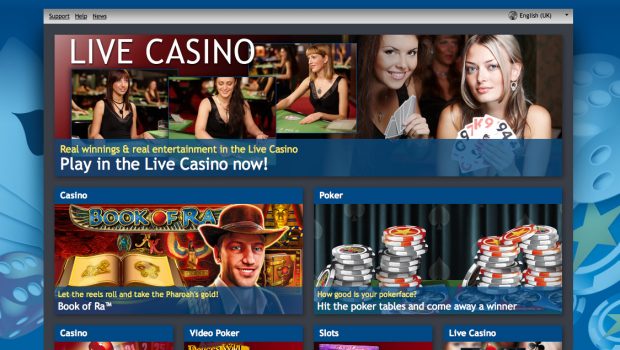
When table minimums soar, your bankroll’s natural volatility spikes exponentially, so pre-commit to a per-session loss cap that equals only 2–3% of your total high-roller funds. This **volatility buffer strategy** ensures a single cold streak at a $10,000 minimum doesn’t wipe out your week’s play. Divide your bankroll into smaller “buy-in blocks” and force yourself to walk away after losing two consecutive blocks, rather than chasing with larger bets to recover. Also, scale your bet size relative to the minimum—if the table is $5,000, keep your base wager at that minimum, not 2x, to stretch your hands. Managing bankroll volatility begins with refusing to increase stakes when minimums rise unexpectedly.
Q: Should I switch to a lower-tier table if minimums soar mid-session?
A: Yes—immediately dropping to a $2,000 table when the $10,000 minimum feels aggressive is a disciplined move, not a step down. It preserves your bankroll’s integrity for future sessions.